In 2018, the Tippecanoe County Sheriff’s Office in Indiana, USA, working with Purdue University, relied on drones to map crash scenes 20 times throughout the year. They observed that this helped cut down 60% of the downtime for traffic flow after crashes. As drone technology has grown since 2018, its applications in traffic management have also multiplied, demonstrating the high utility of drones in both managing traffic and post-processing accident sites. UAVs significantly cut costs and provide a top-down view that can help law enforcement understand accidents much better than before.
Benefits of Drones in Traffic Management
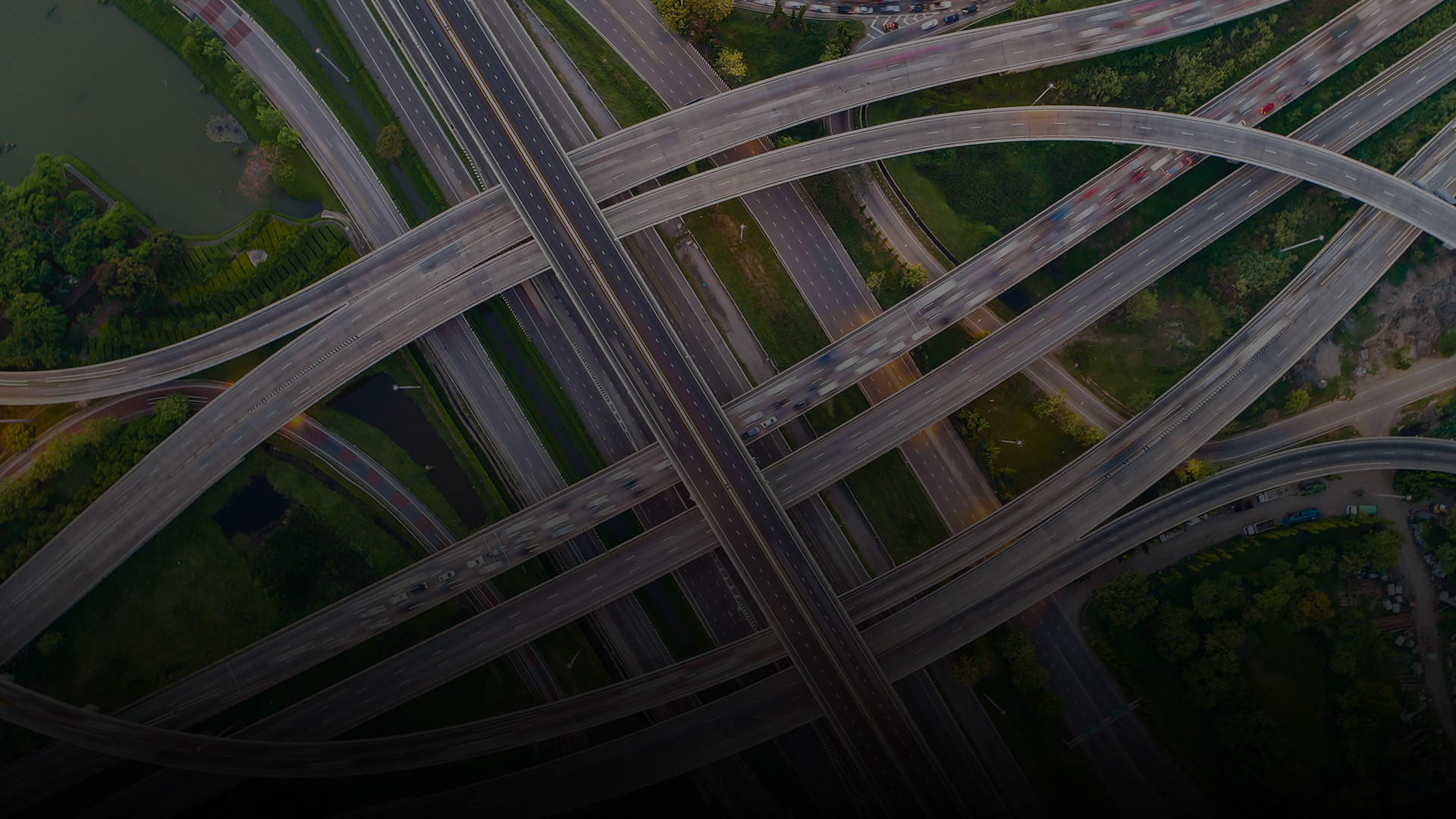
Drones allow for data collection and analysis not only at the exact site of the accident, but also provide points of reference that cannot be accessed on the ground. As the population of urban areas has boomed, the number of vehicles on roads has also skyrocketed. This has created a nightmare for urban planners and law enforcement regarding managing traffic and mitigating conflict. For these stakeholders, there is an urgent need for data on traffic density, road capacity, and traffic flow, as well as the ability to quickly get a bird’s eye view of the roads.
Drones allow for quick data collection on buildups and jams while avoiding the ground. They can cover larger areas than traffic cameras and can fly lower than police helicopters, allowing for the best of both worlds.
Traffic accident reconstruction involves working in reverse to analyze debris and evidence at the site to identify the cause of the accident and the circumstances it happened in. Traditionally, this has been a manual process that requires teams scoping and surveying the area on foot, taking pictures, outlining areas with chalk, and measuring distance with laser levels and other equipment. Drones change this by providing a hands-off way of documenting a top view of the site, and leveraging high-definition aerial images can be documented and analyzed without disturbing evidence. This also saves valuable time by avoiding physically marking the area, allowing the scene to be cleared quickly so that regular traffic can resume.
Research (“Probability of Secondary Crash Occurrence on Freeways with the Use of Private-Sector Speed Data”) conducted by Noah Goodall at the University of Virginia, found that 9.2% of all vehicle crashes were secondary to other crashes. In this case, being able to map and evacuate the scene quickly ends up saving lives. The longer a road is blocked, the more dangerous it gets for oncoming traffic. Here, drones can not only help map an area quickly, but they can also warn first responders on-site about traffic in advance. Drones can be on the scene within moments of a buildup of traffic and hence can help in rerouting or managing it much faster than law enforcement on foot can get there. Alongside this, when massive traffic jams are stretched out long to be visible from the ground, drones can get a concise and complete view of the situation.
Regular drone flights over areas prone to high traffic flow or areas under construction can provide a cost-effective way to analyze how these areas affect buildup. The data gathered from such runs is essential in helping public works departments to adapt their projects and make changes.
Drones have an immense role to play in traffic management and accident reconstruction. Their aerial perspective revolutionizes how accidents and roads can be seen and analyzed. Combined with AI technology and regular runs over traffic-prone areas, drones can create a living pipeline of data that can allow these areas to be optimized for best efforts. Drones are useful tools for photogrammetry, which allows for 3D models and maps to be created from images captured from the sky. Unmanned Aerial Systems (UAS) are especially useful for reducing secondary crashes, as they can document a crash scene quickly allowing for rapid cleanup and resuming of oncoming traffic. They also can be important tools to gather regular data such as traffic flow, density, and road capacity over long terms of time. Law enforcement agencies have found drones to be extremely cost-effective compared to more traditional methods such as helicopters or ground-based cameras.
Learn more about the different solutions that can help your agency succeed— sign up to receive information about our live demos and roadshows.