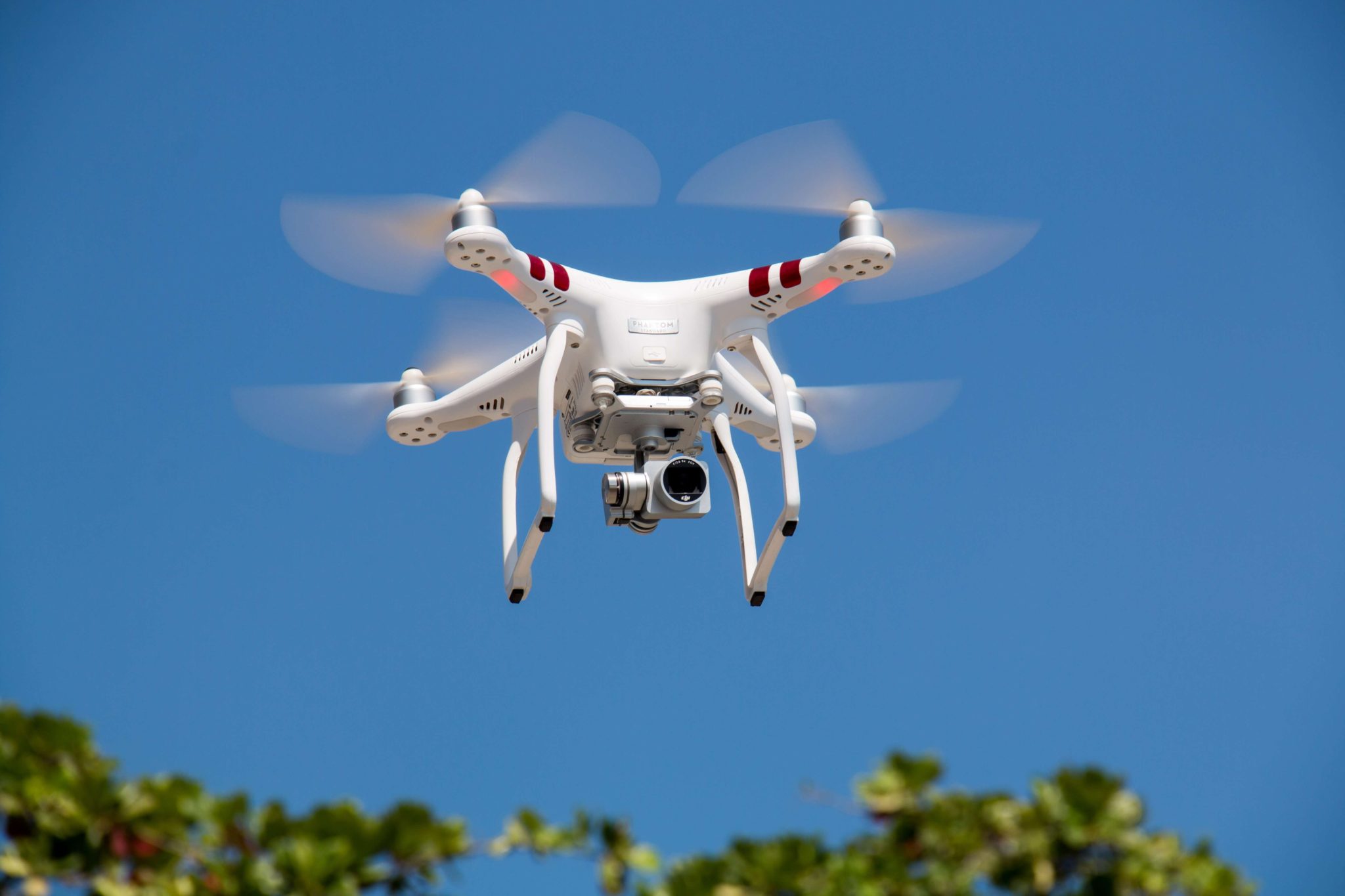
Once upon a time, drones were a bit like computers: big, expensive, and virtually impossible for the average consumer to imagine owning or operating. Fortunately, drone tech has come a long way since then. Today, drones are available in models ranging from massive enterprise-level machines meant to enhance farming and construction operations to small, fun consumer models designed for racing and photography.
In this post, we’re going to take a look at the evolution of drone tech, and all the things that have brought us to this exciting part of drone history:
The History of Drones: the Early Days
How far back do you think drone technology goes? The 1950s? The early 1900s? Go even earlier!
In fact, the earliest uncrewed aerial vehicle was used in 1839, when Austrian soldiers used unmanned balloons filled with explosives to attack the city of Venice. While a number of these weaponized balloons blew back and bombed the Austrian camps, several managed to reach their targets and were, thus, successful.
Given the overwhelming failure rate, though, the practice didn’t become wildly popular. As a result, what we now know as drone technology mostly sat unused for decades.
It wasn’t until the Wright Brothers took the famous Kitty Hawk flight that the pilotless aircraft began to come back into vogue. The first unmanned winged aircraft was called the Ruston Proctor Aerial Target. Based on designs by world-famous engineer, Nikola Tesla, the Ruston Proctor Aerial Target was controlled via radio signals (much like modern drones).
Wondering what the Ruston Proctor Aerial Target was built for? Like its earlier drone predecessors, the drone was designed as a flying bomb that England intended to use against Gerrman weaponized Zeppelins, although the inventors also believed it would be effective against ground targets. Like its earlier predecessors, the prototype failed to perform, and the British military canned the project, claiming that there was no future in unmanned aerial vehicles.
Fortunately, they were wrong.
The State of Drones Today
Ever since the British military canned its drone project, the industry has snowballed. Today, drones are synonymous with military activities, construction, agriculture, photography, videography, and more. To demonstrate, here are a few current drone stats from ExpandedRamblings:
- Experts project that there will be 7 million drones in the U.S. by 2020, with an estimated 3.5 million small, hobbyist drones in use by 2021
- During the 2016 Disney Springs Christmas Light show, Disney used 300 drones
- 8% of Americans currently own drones
- 59% of Americans have seen a drone fly
- 47% of Americans are interested in drone deliveries
- Photography is the top US industry now using drones
- In 2015, an estimated 700,000 drones were shipped to users throughout the U.S.
- The drone industry was valued at $3.3 billion in 2015 and is projected to reach a total market value of $100 billion by 2020, with 70% of this figure linked to military activities
- The agricultural drone market is currently valued at $1.2 billion and will rise to $4.8 billion by 2024
What Drones Look Like in the Modern World
UAV technology really arrived back in World War II and throughout the Cold War. At that point, they were still primarily considered expensive, unreliable military tools that were deployed only occasionally. During this time, manned aircraft continues to reign supreme.
Where drones really thrived, though, was in surveillance operations. The US and USSR used drones to spy on one another throughout the Cold War, although the documents from those operations remain classified.
Drone warfare began to hit the mainstream in about 1982. According to DroneEnthusiast.com:
What we do know is that modern drone warfare began in earnest in 1982, when Israel coordinated the use of battlefield UAVs alongside manned aircraft to wipe out the Syrian fleet with very minimal losses. The Israeli Air Force used military drones to recon the enemy’s position, to jam communications, and to act as decoys that would prevent the loss of pilot life. The technology was nothing new, but the IAF figured out how to use drone technology in a way that would make operations more successful, and international interest in drone hardware picked up significantly. The US, for example, spent tens of millions of dollars on new drone contracts in 1984.
While military drones remain popular, the use of drones has also expanded far beyond tactical applications. Consumer drones, for example, hit the market back in 2006. As non-military drones started to proliferate, consumers realized UAVs could be great for everything from fun to photography.
While it took the Federal Aviation Administration (FAA) awhile to get on board with consumer done use (and most importantly) to establish guidelines for safe flight, recreational drone use has taken off in recent years.
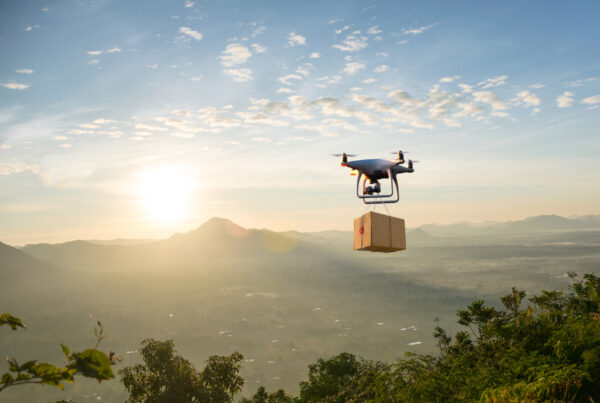
Today, companies like Amazon and UberEats are considering implementing drones as a delivery method for their businesses, and the public is increasingly interested in drone tech every year.
The Future of Drones
As drone tech continues to expand, we’ll see both enterprise- and consumer-level drones become more advanced, more intelligent, and more enjoyable to use. Here at DroneNerds, we serve customers across various sectors, including agriculture, construction, government, insurance, mining, security, public safety, inspection, and more.
Our drones are some of the most advanced on the market, and we love seeing how our customers put them to use. While drones have a long way to go and the technology will continue to evolve at a rapid rate, we’re excited by how far they’ve come and what the future promises for our industry.
Ready to learn more about drone technology or how we can help you integrate it into your organization? Contact us today.