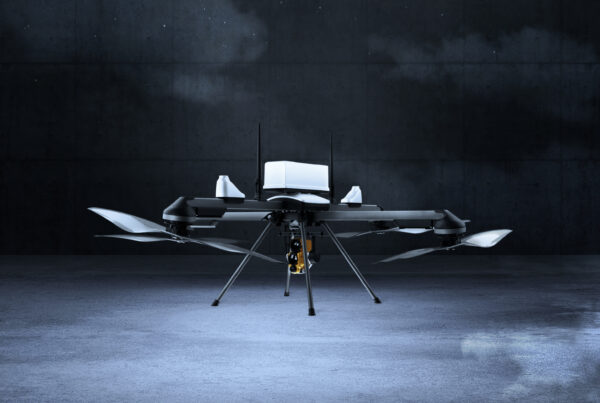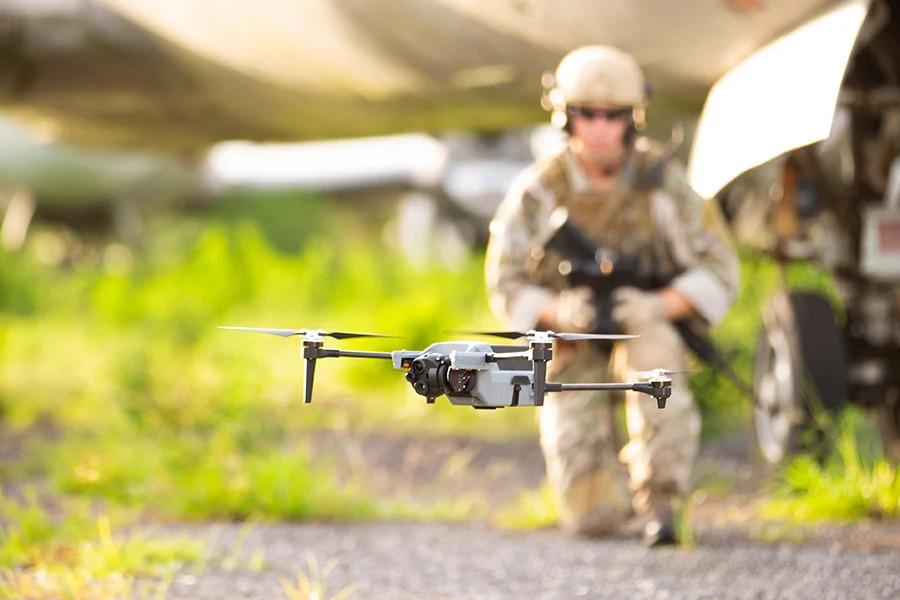

The use of drones is rapidly evolving; as UAV becomes readily available technology, organizations can incorporate them into their operations. While businesses in agriculture, construction, and other industries are already transitioning to and leveraging UAV technology, its use in public safety is still limited. Despite its limited application in this field, there is no doubt there is one faction that can greatly benefit from the use of drones—crisis and disaster management.
Emergency and disaster management is an important concept that all governments and many organizations need to prepare for. In the United States, FEMA, the Federal Emergency Management Agency, supports citizens and emergency personnel to build, sustain, and improve the nation’s capability to prepare for, protect against, respond to, recover from, and mitigate all hazards. By their definition, crisis management is broken down into the following processes; prevention, mitigation, preparedness, response, and recovery. Drones can be used across all of these steps in a variety of ways.
FEMA uses unmanned aircraft systems or drones to support emergency incident situational awareness, monitor and assess critical infrastructure, provide disaster relief by transporting emergency medical supplies to remote locations, and aid efforts to secure our borders. At the prevention stage, drones are an affordable alternative to obtain aerial data which is then used to identify potential weak points in infrastructures. UAVs can assess soil erosion and potential flood areas and provide detailed 2D and 3D topographical maps of areas like sea barriers, which can give way during a hurricane.
This data can later be used in the mitigation and preparedness stages to prepare defenses, replenish resources, and take the proper measures to limit potential damage in the case of a disaster. FEMA as well as other organizations can maintain topographical data that can be used for the restoration of local areas that have been impacted by a natural disaster.
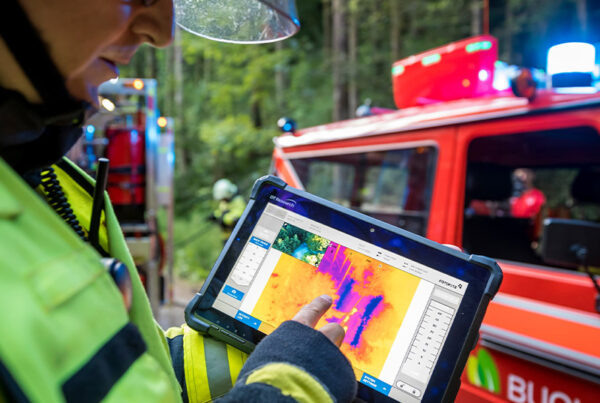
In the event of a disaster, multiple emergency rescue teams from different organizations and departments are dispatched. In many cases, communication and powerlines are down, leaving rescue teams disconnected, with limited communication and even less intel. In order to improve disaster management efficiency, new technologies are needed that can provide telecommunication, and spatial data, and have the ability to operate autonomously. Drones can provide rescue teams the connection and information they desperately need to save lives, as different teams can connect to one source and access live views of the information the drone is capturing.
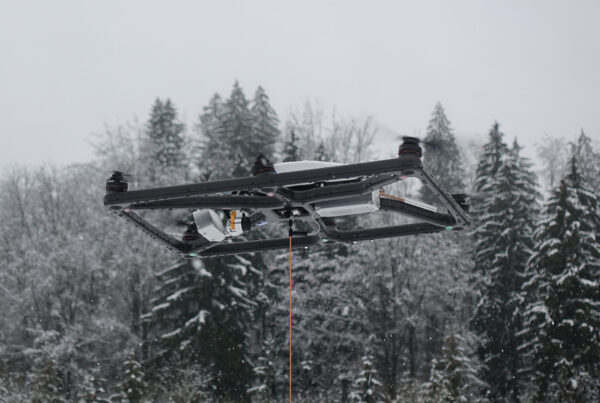
Compared to other technologies traditionally used in disaster relief, drones are cost-effective, faster, and better suited for use in extreme weather conditions. Because UAVs can access compromised areas, their use is much more efficient when compared to conventional methods, like helicopters.
It’s clear that UAV technology is changing the way the world operates. When used to its fullest capacity drone technology can become an invaluable part of disaster response toolkits.
Interested in learning more about how your organization can leverage drones? Speak with one of our experts.