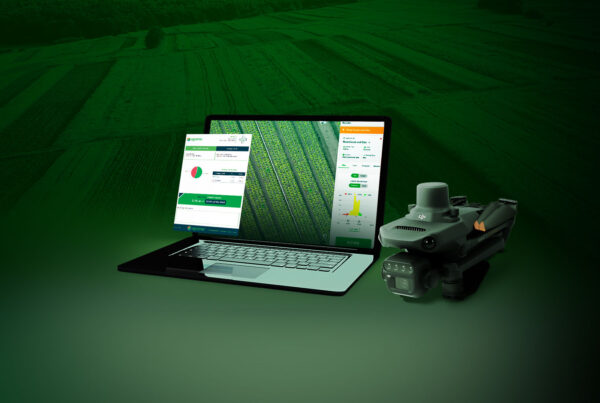
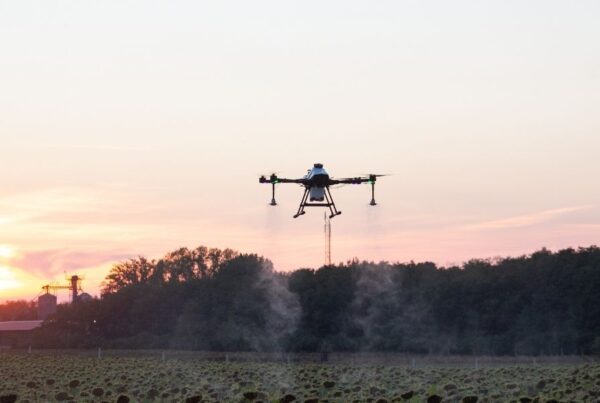
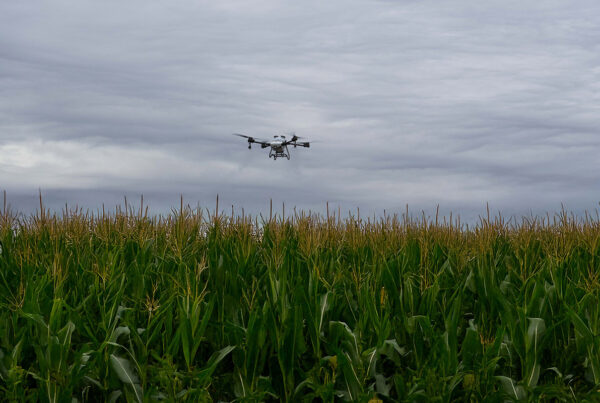
Agriculture teams are under pressure to make faster decisions, manage tighter margins, and get more value from every field visit. Drone technology helps by giving growers, agronomists, and service providers tools that improve efficiency and provide a clearer view of field conditions before decisions are made on the ground.
In the Drone Nerds ebook, “5 Practical Use Cases for Agriculture Drones,” we explore how agriculture teams are connecting aerial insights, analytics, and drone-based applications into practical field workflows.
This blog gives you a quick overview of five agriculture drone use cases and where they may fit into a modern farming operation.
How Agriculture Drone Workflows Work
A practical agriculture drone workflow is not just about flying over a field. It is about connecting what the drone captures to decisions your team can act on.
In many operations, the workflow follows a simple path:
- Capture field imagery or sensor data
- Analyze crop health and field variability
- Plan scouting, prescriptions, or application
- Apply targeted treatment
- Review results over time
For enterprise agriculture teams, this approach helps connect data collection to real operational needs, such as scouting priorities, stand assessments, spraying plans, and field documentation.
1. Crop Monitoring and Health Assessment
Crop monitoring is one of the most common starting points for agriculture drone programs. Instead of relying only on ground scouting, teams use aerial imagery to identify areas that may need closer review.
This helps growers and agronomists spot visible differences across a field, compare crop conditions over time, and prioritize where to send people or equipment.
For large farms, crop monitoring can be especially useful when teams need to cover more acreage with limited labor or narrow scouting windows.
2. Stand Counts and Field Variability
Agricultural drones also support stand counts, plant population assessments, and field-variability analysis. These workflows help teams move beyond “What does the field look like?” and begin asking “Where are the differences, and what do they mean?”
This type of information supports decisions around emergence, replanting, crop performance, seed trials, and localized field risk.
For crop consultants and agronomists, drone-based outputs can also make it easier to document and discuss recommendations with growers.
3. Targeted Spraying and Variable Application Planning
Spraying drones are often associated with application, but the strongest workflows usually begin before the spray mission.
Drone imagery and analytics help identify where field conditions are not uniform. From there, teams can plan more targeted applications instead of treating every area the same way. This is useful when teams need to respond quickly, access areas that are difficult for ground equipment to reach, or create more focused treatment plans based on field variability.
The right workflow depends on the crop, acreage, treatment goals, application requirements, and operating environment.
4. Specialty Crops, Orchards, Vineyards, and Hard-to-Reach Areas
Some agricultural environments are more difficult to scout or treat with traditional equipment. Orchards, vineyards, fragmented plots, uneven terrain, wet fields, dense canopy areas, and high-value specialty crops all create access challenges.
Drone workflows give teams another way to observe field conditions and plan action without relying entirely on ground access.
For these operations, the value is often in flexibility. Drones help teams gather information, evaluate localized stress, and support targeted action in areas where timing and access matter.
5. Service Provider and Agronomist Workflows
Agricultural service providers and agronomists often need workflows that are repeatable, reportable, and useful to customers.
Drones support recurring crop monitoring, stand count reporting, field variability mapping, prescription planning support, targeted application services, and before-and-after documentation.
The goal is not to replace agronomic judgment. The goal is to enable service providers and advisors with better visibility, more structured information, and clearer ways to connect field observations to recommended actions.
What Agriculture Teams Should Consider Before Adopting Drones
Agriculture drones support many field workflows, but the right setup depends on how the technology will be used.
Before adopting or expanding a drone program, agriculture teams should evaluate:
- Which use cases matter most to the operation
- Who will operate the drones and review the data
- What crops, acreage, terrain, and access conditions need to be supported
- Whether the workflow requires RGB, multispectral, thermal, or other sensing tools
- How imagery will be processed and turned into decisions
- Whether spraying and/or spreading is are part of the plan
- What training, maintenance, and support will be needed long term
Most successful agricultural drone programs are built around the workflow that the operation needs to improve.
How Drone Nerds Can Help
Drone Nerds helps agriculture teams evaluate, configure, and deploy drone solutions that align with real field operations.
For growers, farm owners, agricultural service providers, crop consultants, and agronomists, that may include support with:
- Identifying the right agriculture drone use cases
- Evaluating drone platforms, sensors, software, and application tools
- Connecting mapping, analytics, and spraying workflows
- Planning training and operational rollout
- Supporting repairs, maintenance, and long-term readiness
- Scaling drone programs across more fields, teams, or customers
Rather than treating drones as standalone equipment, Drone Nerds helps agriculture teams build workflows that connect technology to practical outcomes in the field. If you would like to discuss your agricultural operations, get connected with a UAV specialist today: Speak to an Expert
FAQ
What are agriculture drones used for?
Agriculture drones support crop monitoring, field mapping, stand counts, plant health assessment, spraying, spreading, treatment planning, and field documentation. The best use case depends on the crop, acreage, workflow, and operational goal.
How do drones help with crop monitoring?
Drones help agriculture teams capture aerial views of field conditions. This can make it easier to identify areas that may need scouting, compare crop conditions across zones, and document changes throughout the season.
Can drones be used for targeted spraying?
Yes, drones support targeted spraying workflows when paired with the right planning, application tools, and operating procedures. The workflow should be evaluated based on treatment needs, field conditions, crop type, and regulatory requirements.
Who should consider agricultural drone workflows?
Farm owners, growers, agronomists, crop consultants, precision agriculture managers, and agricultural service providers may benefit from drone workflows when they need better field visibility, more efficient scouting, or more targeted application planning.
Final Thoughts
Agriculture drones are becoming more valuable as they move from isolated tasks to connected workflows. For many teams, the opportunity is not just about capturing aerial imagery. It is using that information to guide scouting, planning, treatment, and documentation.
By connecting drone data, analytics, sensors, and application tools, agriculture teams can build workflows that are more informed, practical, and aligned with field conditions.
Want to See the Full Breakdown?
In the Drone Nerds ebook, “5 Practical Use Cases for Agriculture Drones,” you can explore how agriculture drone workflows connect crop monitoring, stand counts, targeted spraying, specialty crop operations, and service provider workflows.
Download the full ebook to learn how agricultural teams are using drones to support practical field operations.