As renewable energy sources become indispensable, ensuring the reliability of their infrastructure is critical. Solar panels are among the most popular sources of renewable energy, yet the technology of solar cells is delicate and must be inspected and maintained regularly to ensure proper function. Traditionally, inspectors must walk solar fields with thermal instruments to gather data, which is time-consuming and inefficient. In contrast, drones are capable of inspecting large areas quickly, minimizing both inspection time, and potential downtime of a damaged panel.
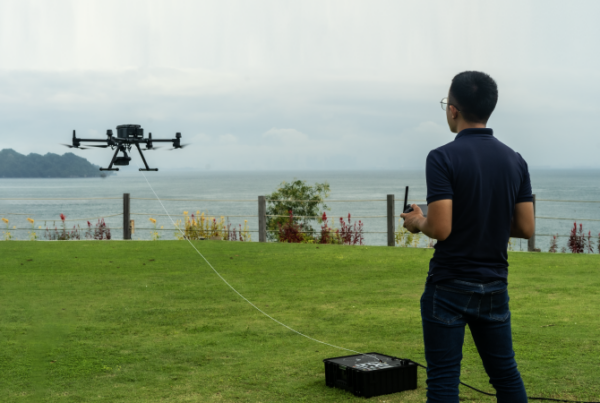
With drones, inspectors have enhanced accessibility to hard-to-reach areas, like rooftops or vast solar farms. By leveraging drones, inspectors can easily fly around obstacles, like trees and structures, gaining a high-level view of the whole solar installation. Additionally, drones aid in the safety of inspectors— because commercial solar farms are located in areas that can reach excessively high temperatures, inspectors risk heat strokes and dehydration if they are present onsite for long periods of time. Because drones can acquire the necessary thermal and visual data quickly, inspectors and technicians can be in and out of the field in less time. This protects staff and simultaneously lessens the liability concerns for solar energy companies.
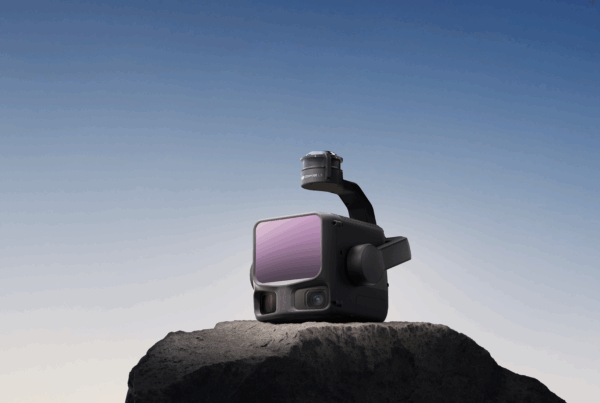
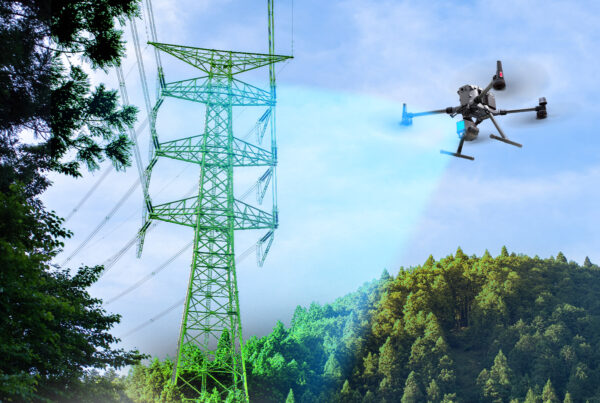
Traditional inspections often require extensive planning, manpower, and resources, leading to prolonged downtimes and increased costs. By streamlining the inspection process with UAVs, you can swiftly capture high-resolution imagery of solar panels from various angles and find damaged or overheating cells for fast repair. Drones, like the DJI M30T or M3T, which are equipped with advanced sensors and thermal imaging cameras can detect defects and anomalies with precision. From tiny cracks and hotspots to soiling and shading issues, UAVs enable the early detection of potential problems. By identifying issues promptly, solar energy operators can proactively address maintenance needs, thereby minimizing downtime and maximizing energy output.
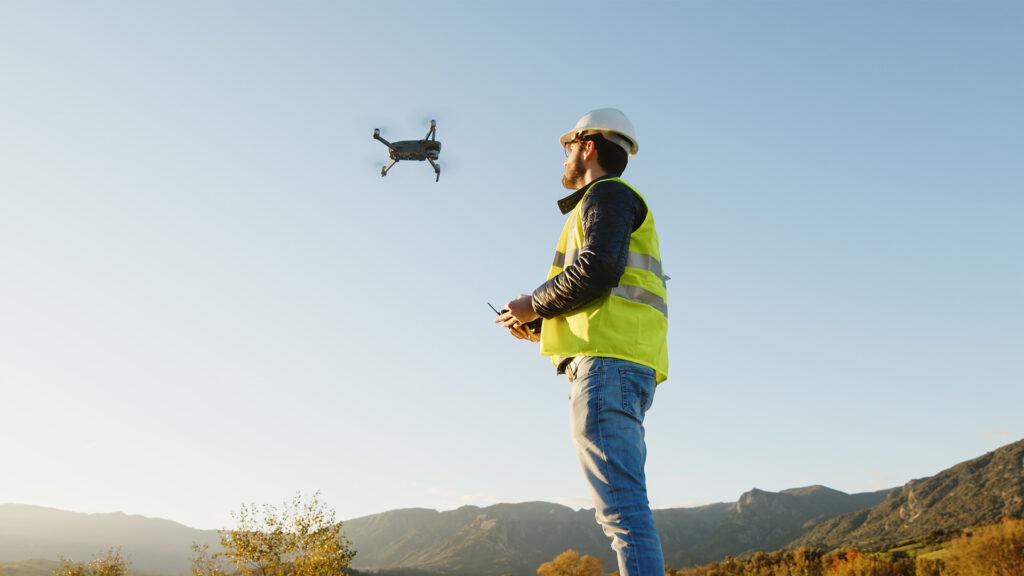
Because drones can capture highly accurate data in a matter of minutes, they provide the necessary details for critical decision-making. Advanced data analysis software enhances the value of drone-collected data, allowing professionals to integrate drones into their IoT environments, which aids in processing vast amounts of imagery to identify patterns, anomalies, and trends indicative of potential issues. With these analytical insights, solar energy operators can prioritize maintenance activities, allocate resources efficiently, and extend the lifespan of their solar infrastructure.
Drones are becoming indispensable tools in the realm of solar panel inspections, offering a potent combination of accessibility, efficiency, and data accuracy. As the renewable energy sector continues to expand, leveraging drone technology will be crucial for maximizing the performance and longevity of solar energy infrastructure. With minimal operational expenses and rapid turnaround times, drones prove to be a sound investment for solar energy companies seeking to optimize their maintenance workflows.
Ready to get started on your UAV journey? Connect with an expert today.