The challenges in oil and gas infrastructure monitoring are substantial and the vast expanses of oil fields, remote locations, and the potential for hazardous incidents make traditional monitoring methods both inefficient and risky. Moreover, the aftermath of catastrophic events, like the Deepwater Horizon spill, has heightened the industry’s focus on adopting technologies that can enhance monitoring without compromising safety. The industry is witnessing a significant surge in the use of drones, with an estimated market value of $23.87 billion expected by the end of 2027. This growth is indicative of the widespread recognition of the benefits drones bring to oil and gas infrastructure monitoring—let’s take a look at the reasons why organizations are implementing UAVs in this field.
5 Benefits Drones in Oil and Gas Infrastructure Monitoring
- Enhanced Safety Measures: Drones ensure the well-being of workers while mitigating the potential for accidents and injuries associated with manual inspections in high-risk areas.
- Rapid Inspection of Remote Areas: Oil and gas facilities often span expansive and remote landscapes, making manual inspections challenging and time-consuming. Drones excel in accessing hard-to-reach or hazardous areas, allowing for rapid and efficient inspections.
- Improved Environmental Monitoring and Compliance: Drones equipped with environmental sensors provide a detailed and accurate assessment of air and water quality, aiding in the monitoring of emissions and compliance with environmental standards.
- Cost-Effective Inspections: The use of drones in oil and gas infrastructure monitoring proves to be a cost-effective solution. Traditional methods of inspection often involve significant manpower, time, and resources. Drones, on the other hand, can rapidly cover vast areas, conduct thorough inspections, and provide real-time data at a fraction of the cost.
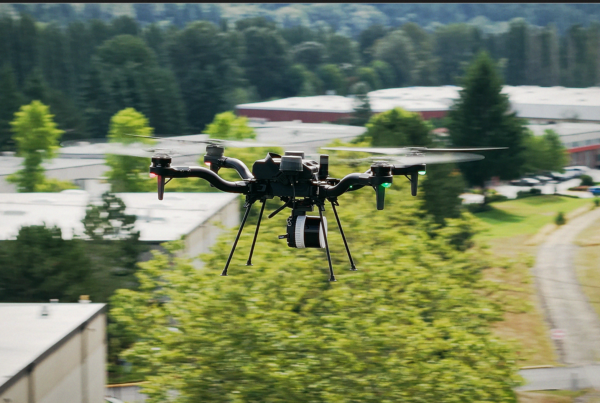
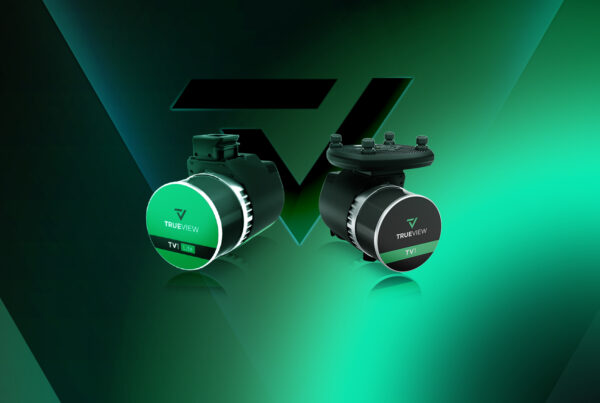
- Precision in Gas Leak Detection: Gas leaks pose a significant threat to both human safety and the environment. Sensors, like the Pergam Laser Falcon, can help detect leaks quickly. This lightweight methane gas detector is part of the Laser Methane Copter (LMC) line, designed for airborne methane monitoring and robotic instrumentation. The Laser Falcon’s advantages include its efficiency in tracking routes with precise coordinates and gas concentration and a detection distance of up to 98 feet (30 meters). Its features make it an ideal drone solution, enabling quick installation and startup, along with online data transmission to the operator’s console. The built-in GPS receiver and moisture-proof housing further enhance its usability in diverse environmental conditions
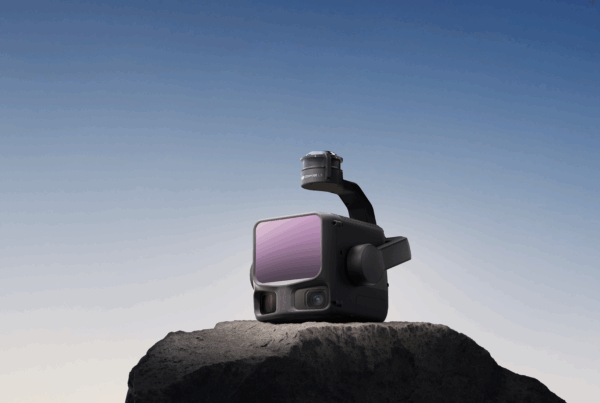
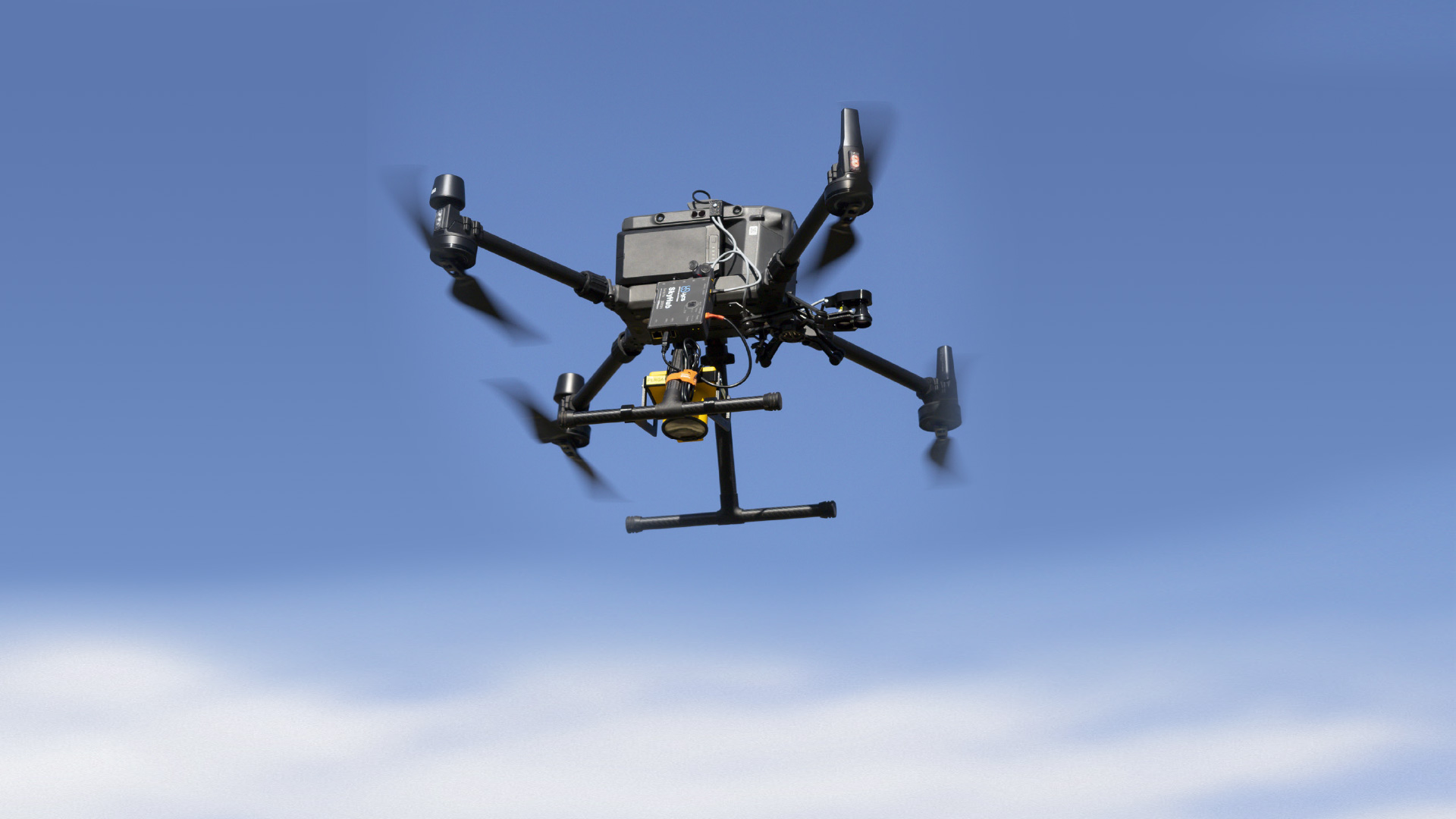
Overall, the use of UAVs can help evolve operations to be more efficient, safe, and streamlined. The deployment of drones like the M350 and M30 further enhances industrial inspection, allowing organizations to modernize their workflows and reduce costs. As more major oil and gas companies see the benefit of UAVs, it will become easier to integrate drones into visual inspection protocols at a global scale. This trend highlights the industry’s acknowledgment of drones as a transformative tool in ensuring the integrity and safety of oil and gas infrastructure.
The risks and challenges inherent in traditional monitoring methods are being effectively mitigated through innovative technologies. As the industry continues to embrace drones, their role in ensuring the safety, efficiency, and sustainability of oil and gas operations will undoubtedly expand, making them an indispensable asset in the quest for responsible resource management.